

Spiritual formation is the process of being formed into the image of Jesus, in community, for the sake of our neighbors and the nations.
Service is central to our spiritual health and formation, but it comes at a cost. It requires us to leave the safe shores of the mind: meditation, memorization, and prayer. It invites us beyond the familiar comforts of the Sunday morning experience: worship, community, and Sabbath.
Service pulls us into unknown territory. It engages the heart and the gut. We say yes to Jesus’ example of humble service, and we find ourselves in rooms we haven’t been in before. Sign up to serve the marginalized, and you’ll meet new people. Face hard questions.
Like, who “deserves” our mercy? Which causes are we supposed to support? What if we’re not even good at this whole “service” thing? Why are we actually doing this? How much time do we have to spare? And do we really want to spend it serving others? (After all, we’re already behind on that Netflix mini-series everyone’s been talking about.)
Dozens of questions, all answered in the person of Jesus. From the manger to the empty tomb, Jesus modeled humble service.
He didn’t choose the palace. He shaped His kingdom in fishing boats, on dusty roads, and around kitchen tables. In his final hours with the disciples, He didn’t demand worship. He washed feet.
Mark 10:45 says, “For even the Son of Man did not come to be served, but to serve, and to give his life as a ransom for many.”
So, we’ve established that service is central to the Christian life and essential to our spiritual formation. But where do we start?
First: Consider your strengths. When you evaluate your life experience, giftings, and resources, what stands out to you? What comes naturally?
Maybe you’ve always had a way with words. Maybe you’re skilled at a trade like carpentry, painting, or electrical work. Maybe you know how to make people feel instantly at home.
God created you with intention. These things reveal the ways you’ve been uniquely equipped to serve your neighbor. 1 Peter 4:10 reads, “Each of you should use whatever gift you have received to serve others, as faithful stewards of God’s grace in its various forms.”
Simply put: Strength is for service, not for status. There’s always the temptation to use our giftings and resources for our own gain. But that’s not what they were given to us for.
Second: Embrace inconvenience. Reading through the Gospels reveals a startling pattern of interruption. Around 50% of Jesus’ miracles happened when He had somewhere else to be.
In her book, Sacred Rhythms, Ruth Haley Barton writes, “Many of us try to shove spiritual transformation into the nooks and crannies of a life that is already unmanageable, rather than being willing to arrange our life for what our heart most wants.”
Are you trying to carve out room for spiritual formation in the margins of an untenable schedule? We invite you to reconsider. Place Jesus at the center of your life, and reorient everything else around his example.
Third: Keep love at the center. Service isn’t about checking a box, proving our worth, or earning points toward eternity. When we serve, we aren’t motivated by fear or feeling. We’re transformed by the love we’ve received in Jesus, and we share that love with others.
A love with hands and feet and some skin in the game, not just pretty words (1 John 3:18).
We come to you with a loving reminder: Service is not about compassionate feelings, but merciful action. You don’t have to wait to start serving until you feel like it. (That would mean missing out!) You can dive right in: open-handed and open-hearted.
And you can start right here.
Resources
Message Series
Week One | Get It In Your Feet
Week Two | The Other Side of Your Yes
Week Three | Do You Have a Letter of Recommendation?
Week Four | Where Are You Strong?
Weekly Practice Reminder
To receive a friendly reminder of our weekly practice given in Sunday’s message, simply text “practice” to 970-299-9997.
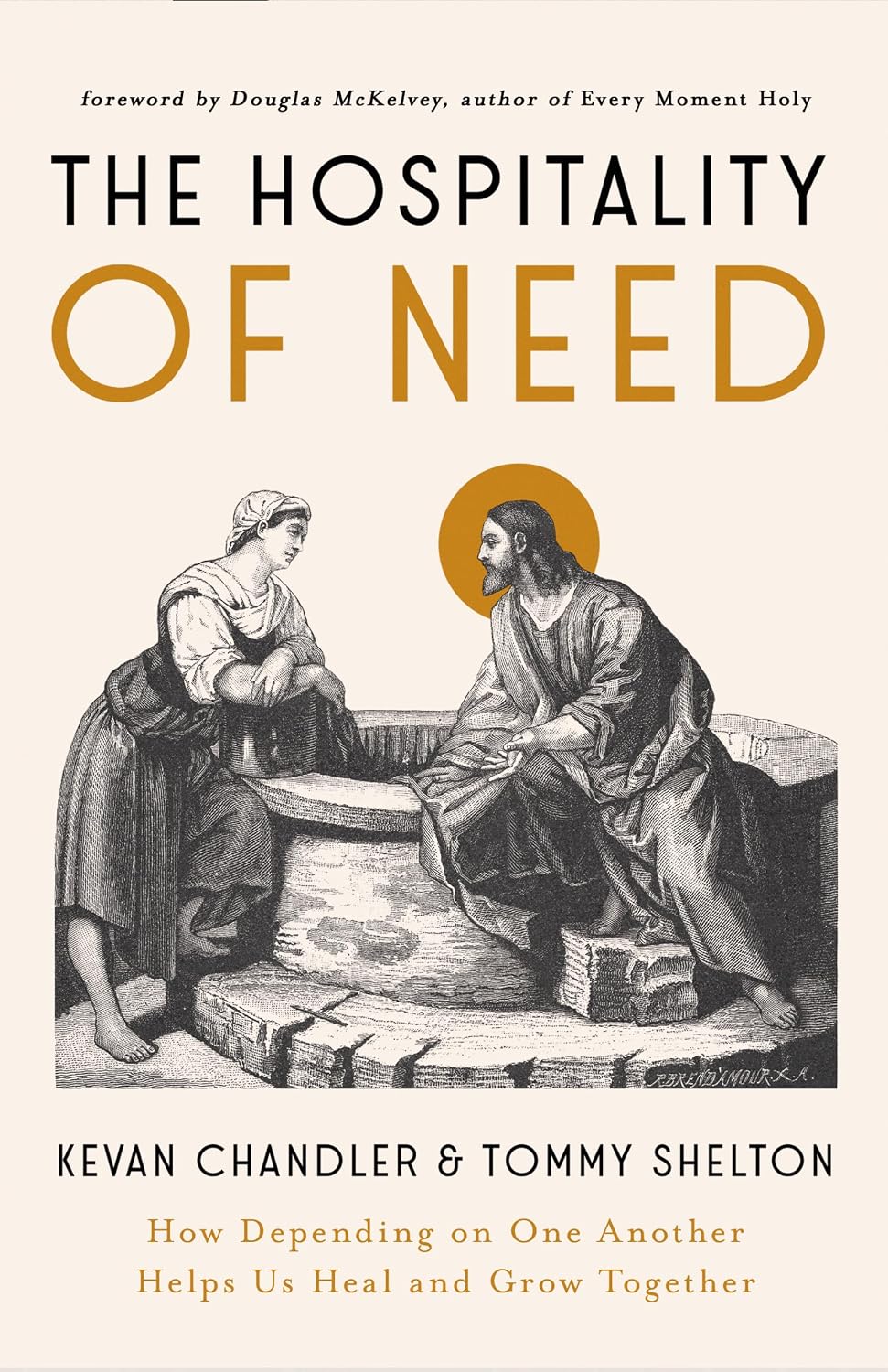
Books




Podcast
Pastor Marie sat down with Pastor Quovadis Marshall, lead pastor at Hope City Church in Iowa, for a conversation about the practice of service and how it shapes us from the inside out.